Where FTO-Designated Cartels Operate: 2026 Update
International Alert
On day one of the second Trump administration, the president announced his intention to direct enforcement efforts on criminal cartels in Latin America, as we covered previously. Since January 2025, the government has taken significant action to advance this initiative. In a cross-agency, coordinated approach, it has:
- Designated 20 Latin American and Caribbean criminal organizations as Foreign Terrorist Organizations (FTOs)
- Announced at least 56 criminal cases (including convictions, arrests, guilty pleas, and civil forfeitures) involving allegations of material support to a designated FTO
- Charged at least 291 individuals for cartel-related activity
- Added over 380 Latin American individuals and entities to the U.S. Department of the Treasury's Office of Foreign Assets Control's (OFAC) Specially Designated Nationals (SDN) list1
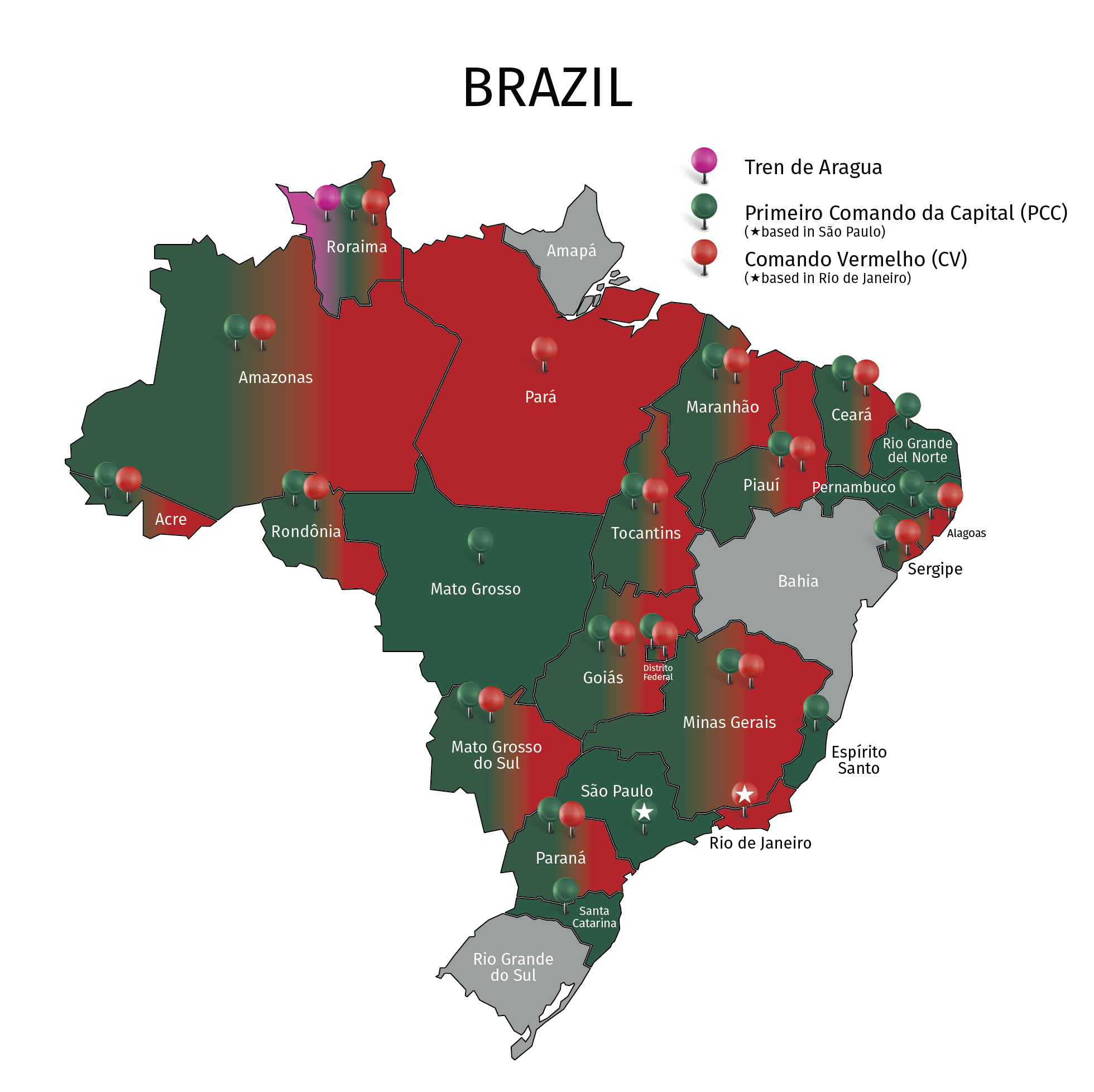
The administration has increased the pace of designations over the past two months. Since the end of May 2026, the Department of State has designated five additional criminal groups operating in Latin America as FTOs. On June 5, 2026, State designated Primeiro Comando da Capital (PCC) and Comando Vermelho (CV), two groups active in Brazil, as FTOs. Less than a month later, on July 1, 2026, State designated Chone Killers, an Ecuadorian gang, and on July 16, 2026, two additional Mexican criminal groups – the Juárez cartel (also known as La Línea) and Los Viagras – were added to the FTO list.
These designations significantly increase criminal, civil, and compliance risks for companies operating in the region, as companies that offer "material support" to designated terrorists face a range of potential criminal and civil liability under the Anti-Terrorism Act (ATA), economic sanctions laws, the Foreign Corrupt Practices Act (FCPA), anti-money laundering laws (AML), and other relevant laws.
Updated FTO Exposure Maps
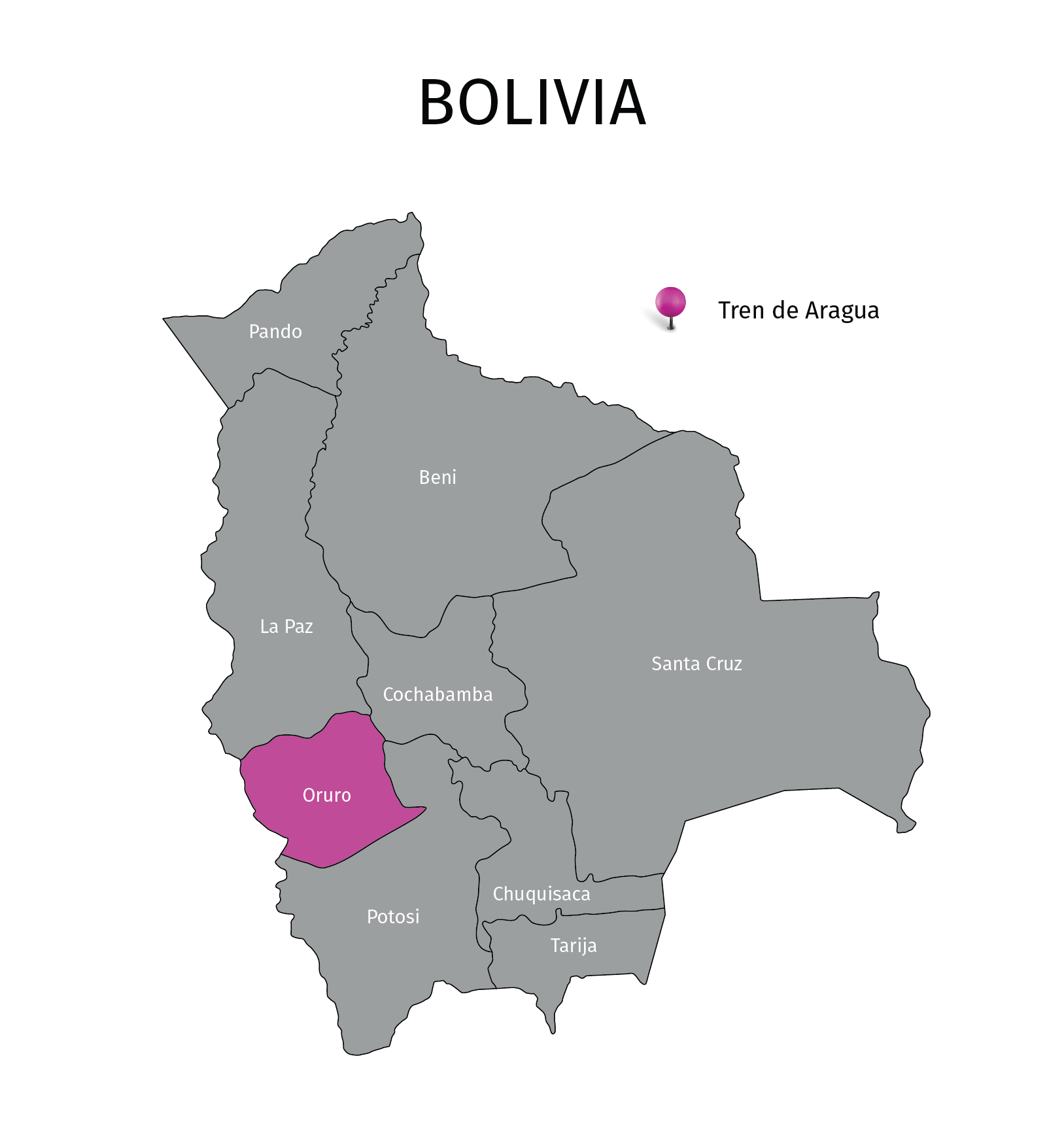
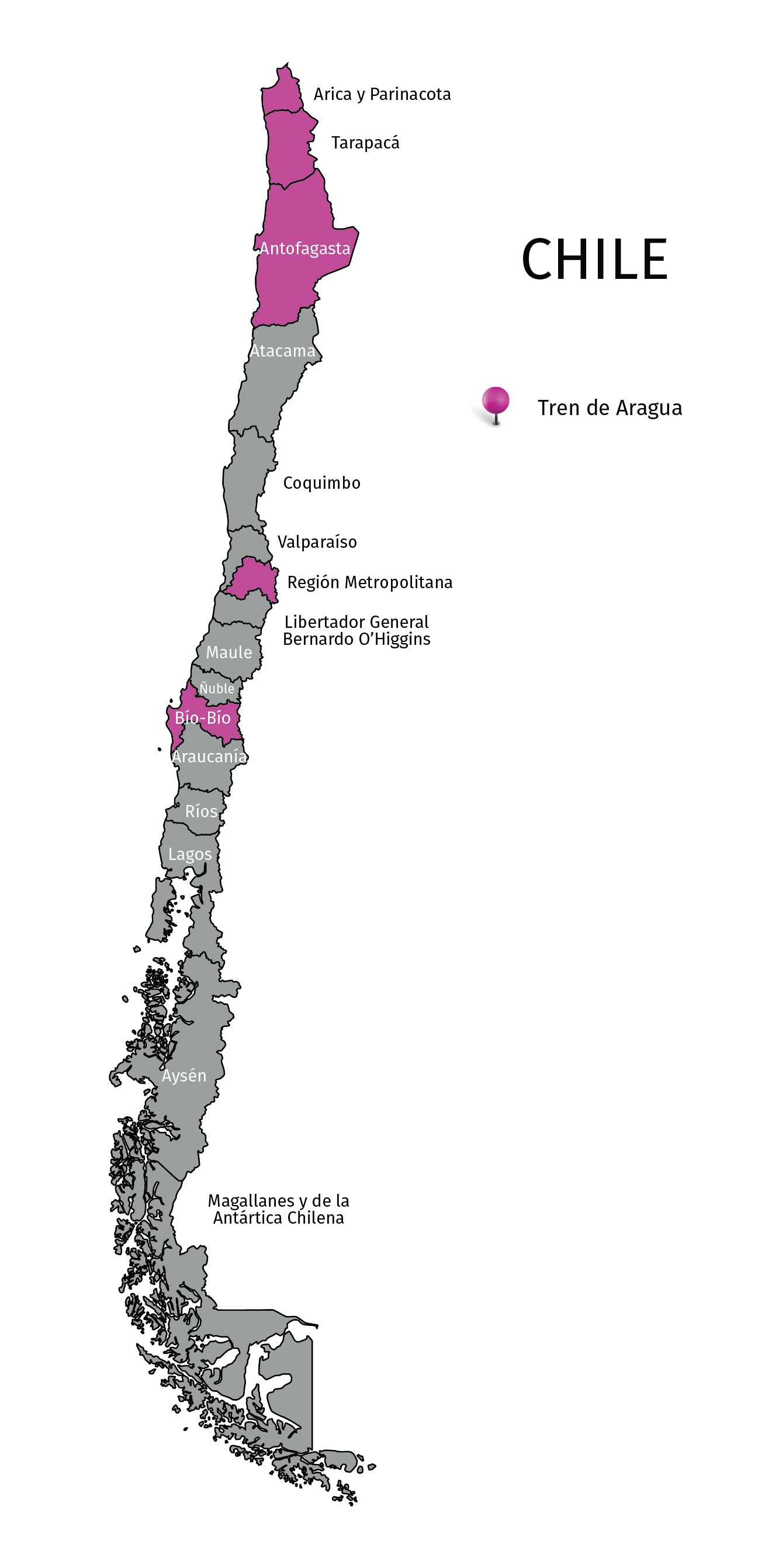
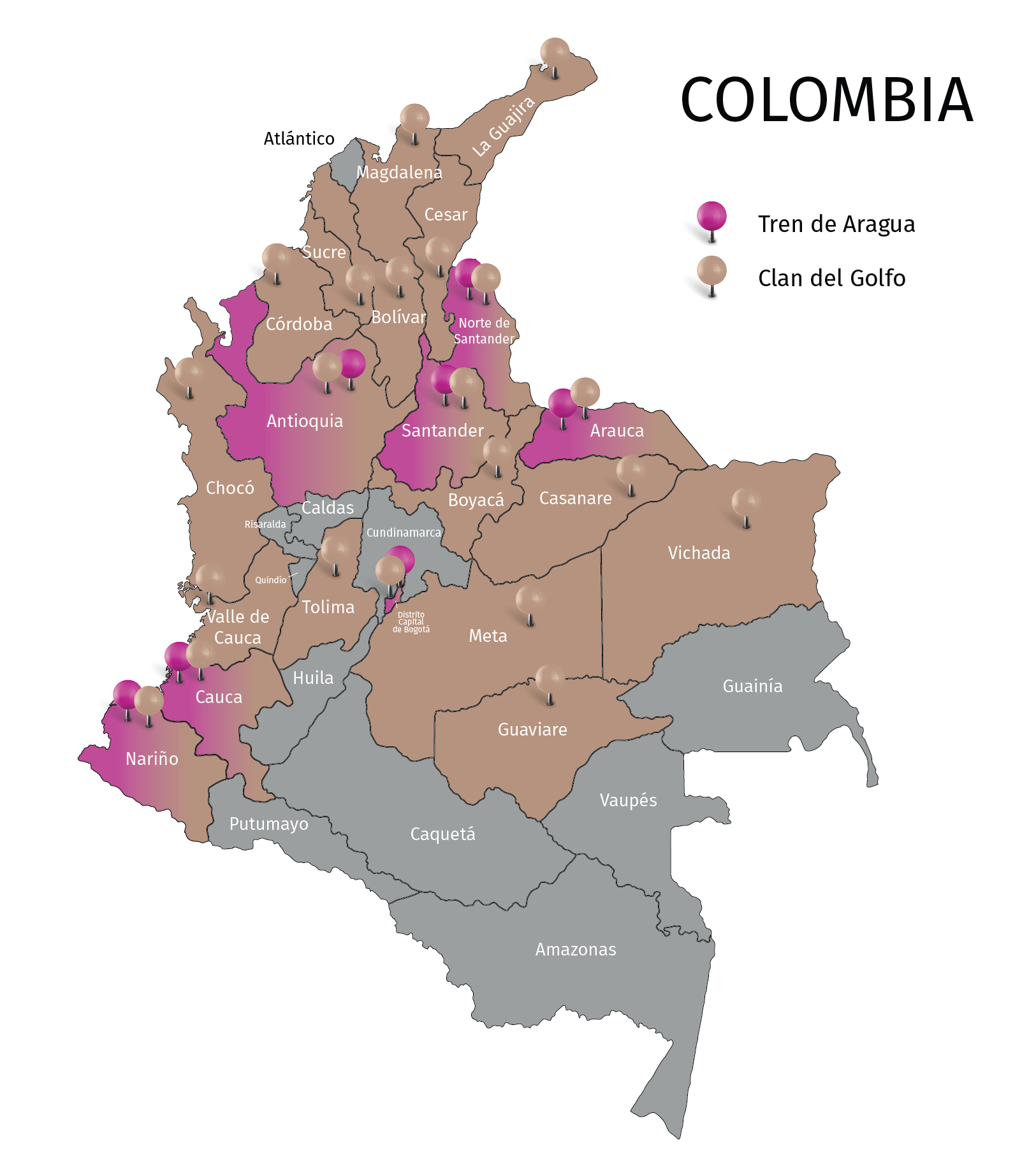
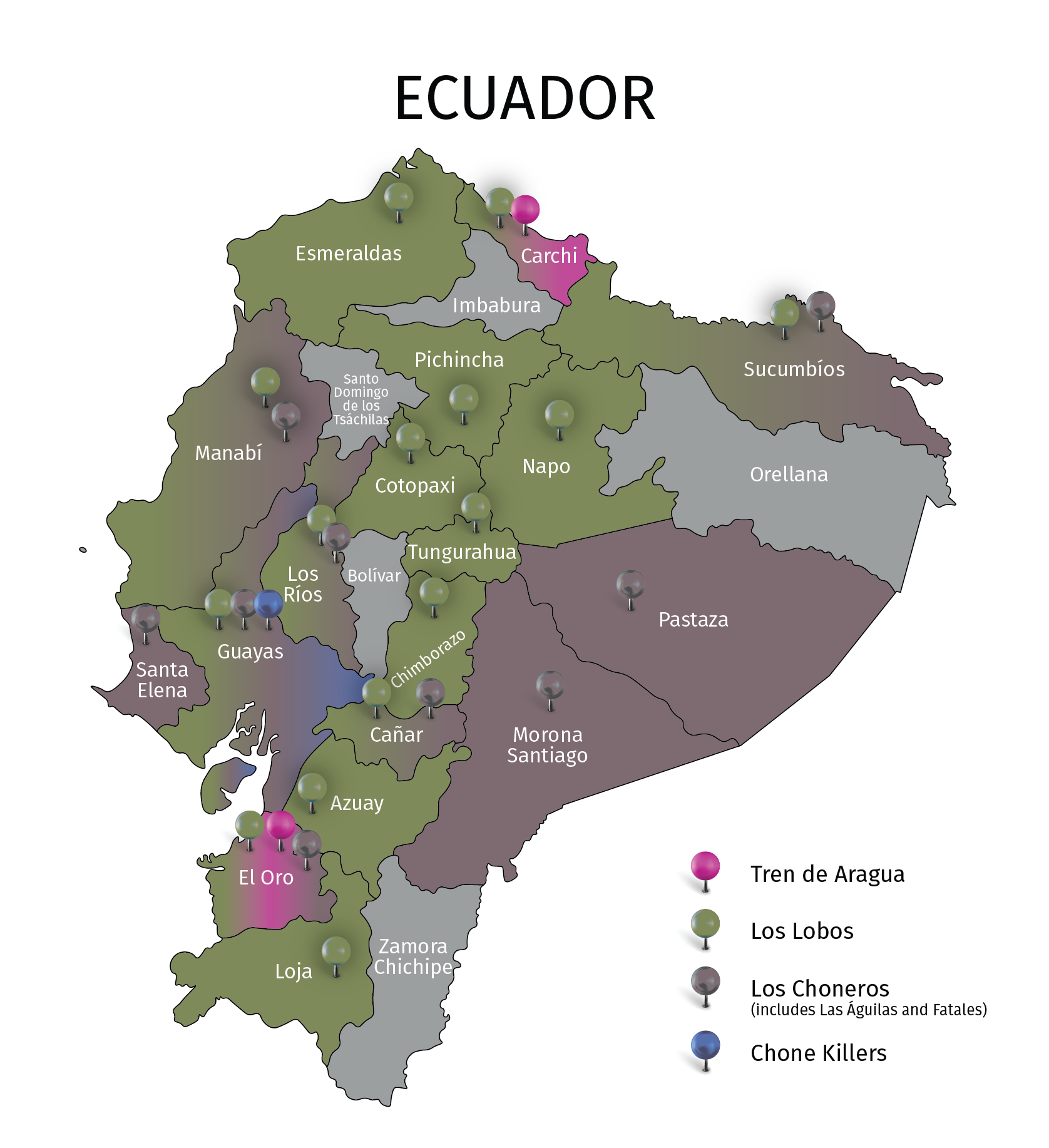
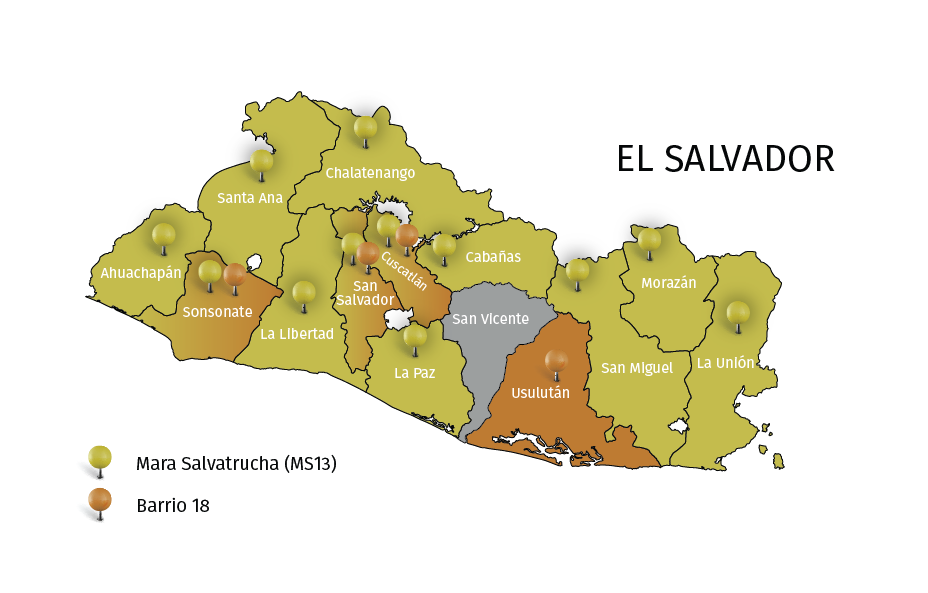
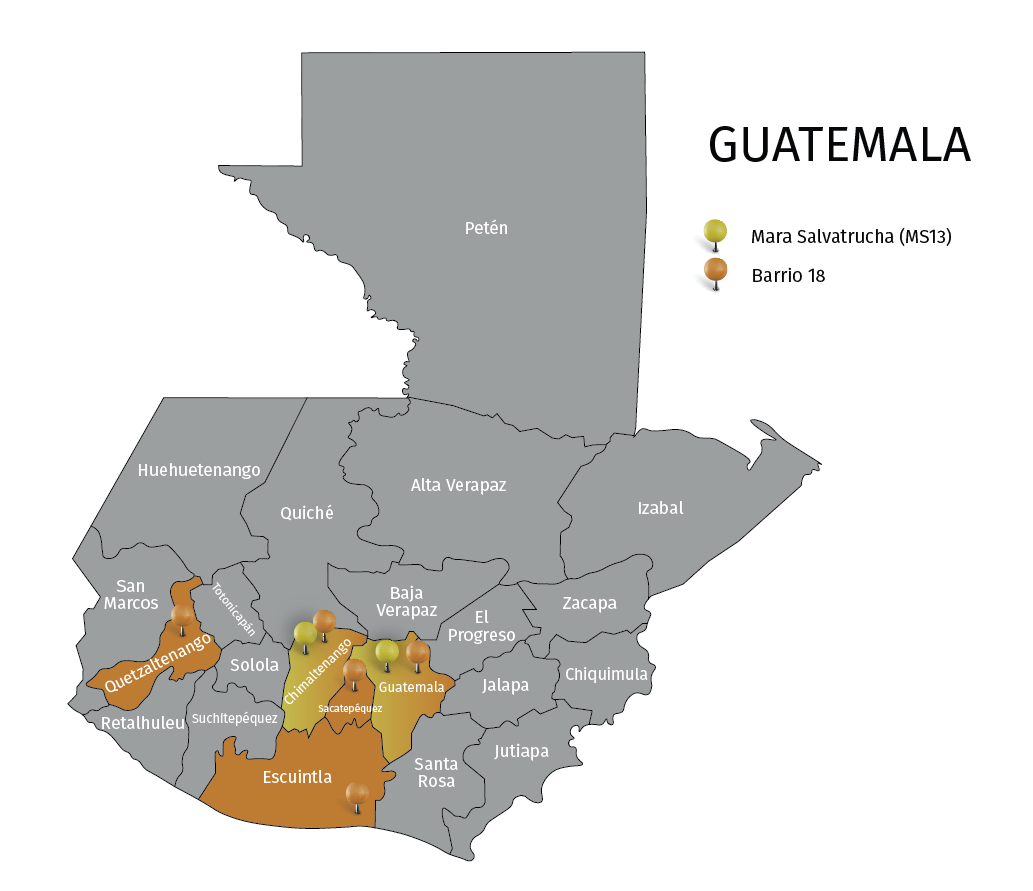
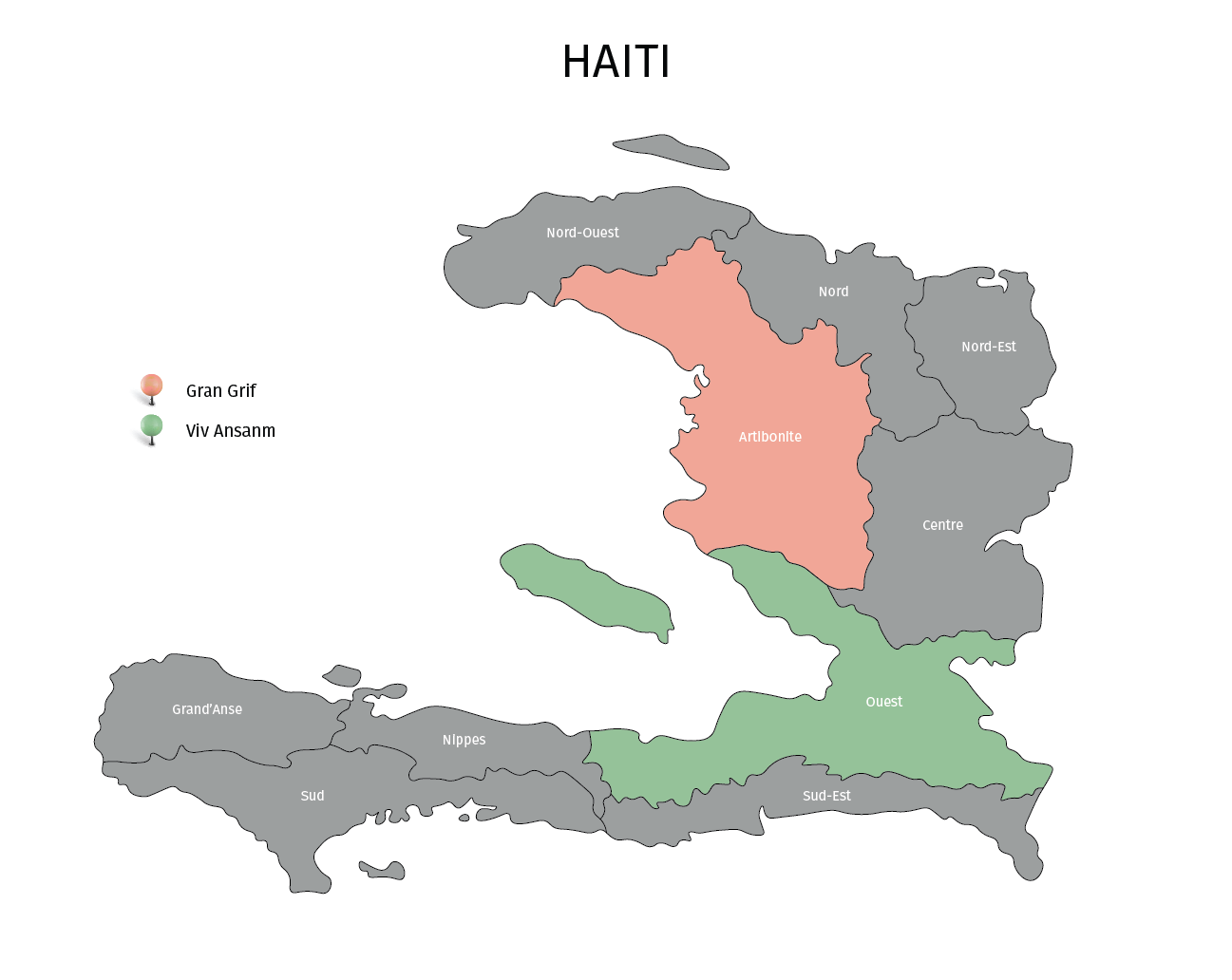
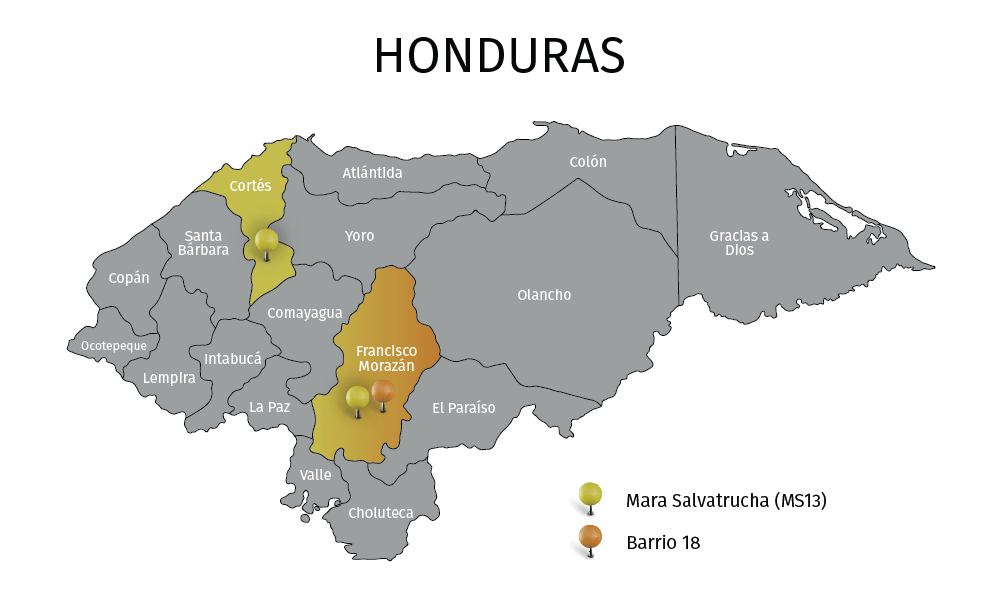
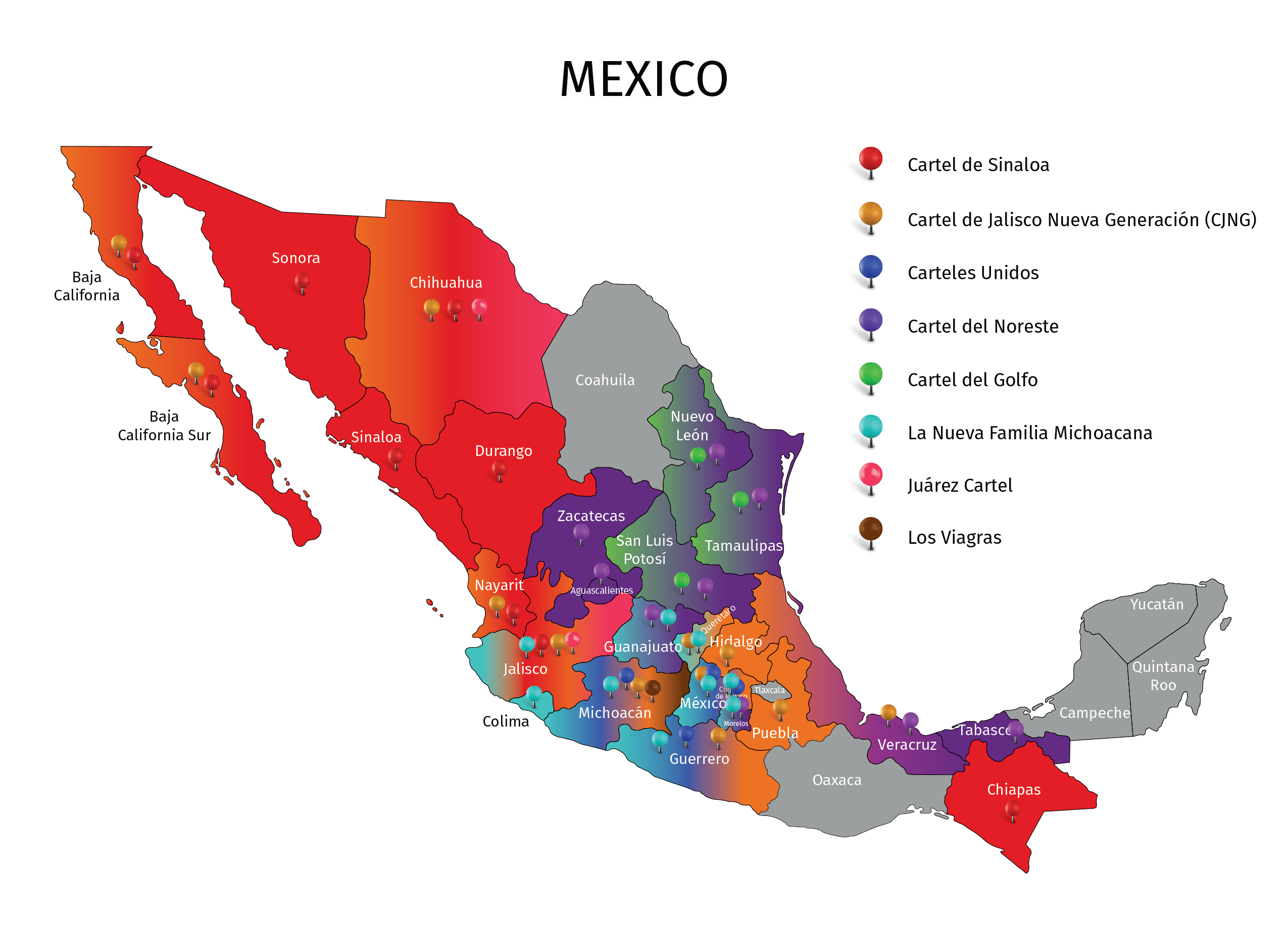
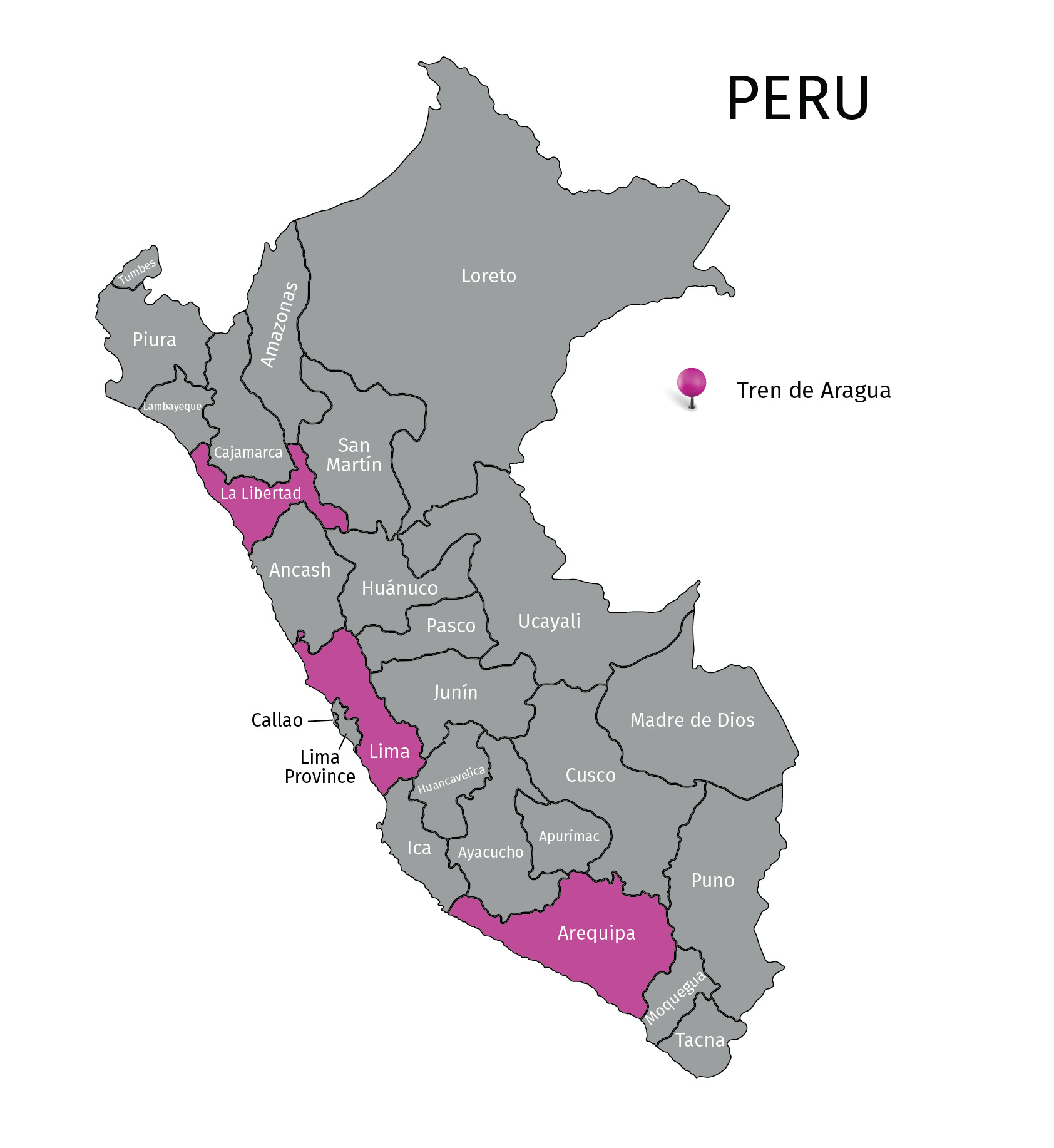
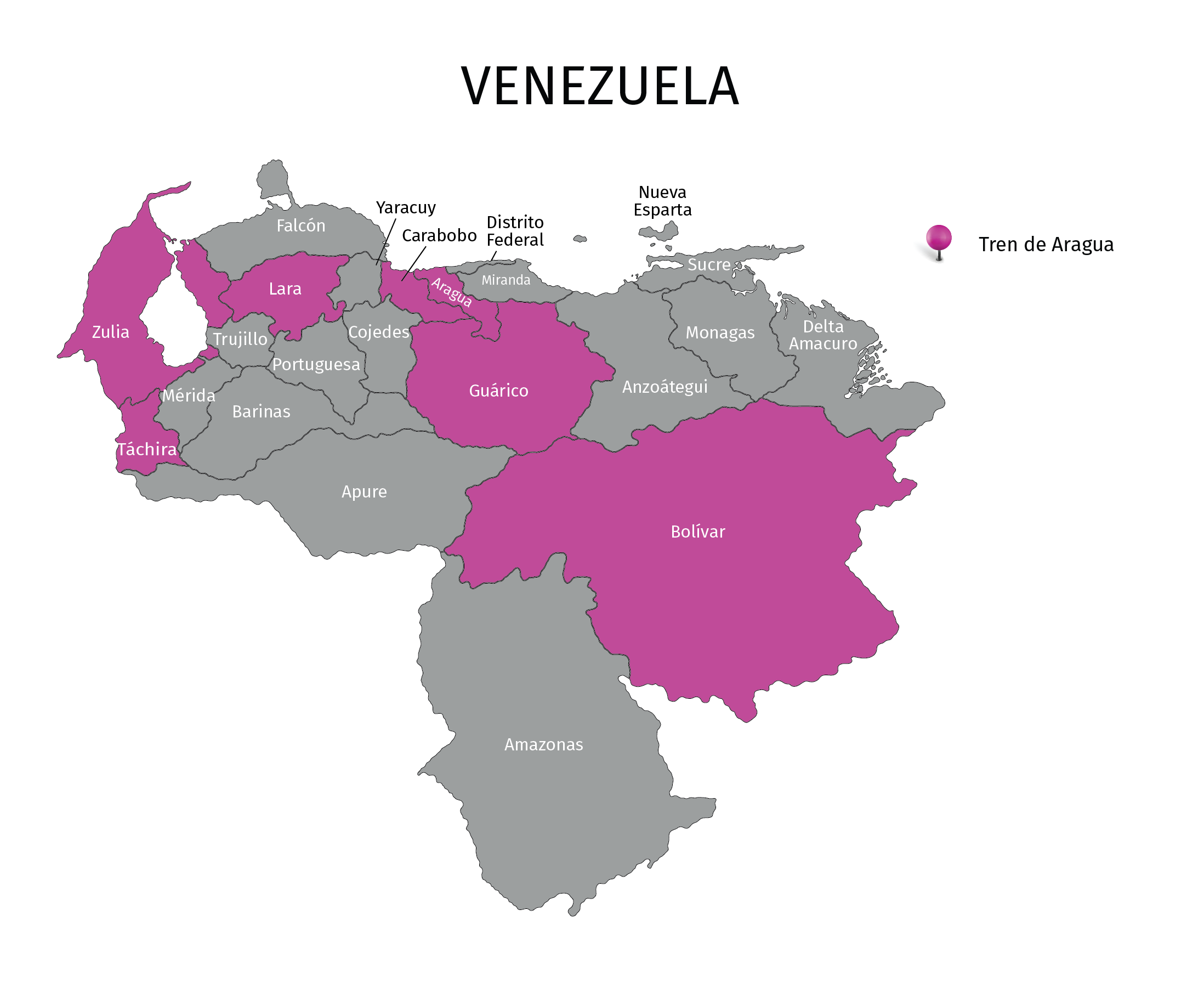
To help companies calibrate their compliance efforts in light of these developments, we have updated our maps2 (previously issued here and here) showing where cartels operate, illustrating:
- FTO-designated cartel presence extending for the first time into Brazil, following the PCC and CV designations
- A denser concentration of designated organizations in Ecuador and Colombia, reflecting the addition of Clan del Golfo and the Chone Killers to the earlier designations of Los Choneros and Los Lobos
- The particular challenges with operating in Mexico, in light of the two designations of Juárez cartel affiliates and Los Viagras
- Near-total cartel presence across Mexican states, with the designations of Cártel de Jalisco Nueva Generación's (CJNG) fuel-smuggling network adding a significant non-narcotics dimension to compliance risk
Treasury's Huachicol Action Shows Focus on Cartel Revenue Streams
In addition to the new FTO designations by State, recent Treasury designations highlight the administration's sustained interest in the elimination of cartels and serve to illustrate key areas of risk for companies operating throughout Latin America.
A particularly important example is Treasury's June 30, 2026, action targeting alleged CJNG-linked fuel smuggling and tax evasion schemes, commonly referred to in Mexico as huachicol or huachicol fiscal. Treasury announced that OFAC sanctioned two Mexican nationals and nine entities allegedly tied to CJNG-linked fuel theft and smuggling schemes involving cross-border fuel movements, falsified customs documents, shell companies, and Mexican tax evasion.
In the same action, FinCEN issued a supplemental alert identifying financial typologies and red flags associated with fuel smuggling from the U.S. into Mexico by CJNG and other Mexico-based TCOs. Treasury described huachicol-related activity as one of the most significant non-drug revenue sources for Mexican cartels and noted that the schemes can involve U.S. fuel distributors, Mexican trading companies, logistics providers, freight companies, shell entities, maritime vessels, tanker trucks, railcars, and cartel-affiliated gas stations.
The Treasury action is significant for companies because it demonstrates the government's focus on cartel financing through commercial supply chains. It also shows that businesses in sectors such as energy, transportation, logistics, customs brokerage, financial services, real estate, and trade finance may face exposure if they interact with counterparties involved in cartel-controlled revenue streams.
U.S. Enforcement Targeting Corruption and Public Officials
The U.S. campaign against cartels also increasingly targets alleged public-sector facilitation of cartel activity. In April 2026, the U.S. Attorney's Office for the Southern District of New York (SDNY) announced charges against the governor of Sinaloa and nine other current and former Mexican officials for alleged drug trafficking and weapons offenses. Prosecutors alleged that the defendants worked with leaders of the Cártel de Sinaloa to import narcotics into the U.S. in exchange for political support and bribes.
According to the Department of Justice (DOJ), the defendants allegedly: helped shield cartel leaders from investigation, arrest, and prosecution; provided sensitive law enforcement and military information; protected drug loads transiting through Mexico; and allowed cartel violence to occur without consequence. The DOJ described the case as part of a broader Homeland Security Task Force (HSTF) initiative focused on eliminating criminal cartels, foreign gangs, TCOs, and human smuggling and trafficking networks.
There are also signs of potential parallel action in Mexico. In May 2026, Reuters reported that Mexico froze bank accounts of former officials accused by the U.S. of ties to the Cártel de Sinaloa, with President Claudia Sheinbaum describing the freezes as preventive measures rather than a domestic determination of guilt.
For companies, these developments underscore the importance of treating cartel risk and corruption risk as overlapping concerns. In high-risk regions, interactions with state and local officials, law enforcement, regulators, customs authorities, and state-owned enterprises may require enhanced diligence, particularly where allegations of cartel influence or political protection exist.
DOJ Using Nationwide Task Forces and Mass Charging Actions
The DOJ has also used coordinated nationwide operations to target designated organizations operating inside the U.S. In May 2026, the DOJ announced charges against more than 25 defendants as part of a nationwide crackdown targeting Tren de Aragua, which the DOJ described as an FTO linked to violent crimes including murder, robbery, extortion, kidnapping, money laundering, and controlled substance trafficking.
The operation involved U.S. Attorney's Offices in Colorado, Southern Florida, Northern Indiana, Middle Tennessee, Western Tennessee, and Eastern Washington and resulted in the seizure of more than 80 firearms, approximately 18 kilograms of drugs, and more than $100,000 in cash. The DOJ stated that, since January 20, 2025, it had federally charged more than 260 members and associates of Tren de Aragua.
These actions demonstrate the DOJ's use of task-force models to pursue cartel and TCO cases across districts and across substantive offense areas, including firearms trafficking, narcotics, immigration, money laundering, and violent crime.
Financial Facilitators and China-Linked Money Laundering Networks Remain a Priority
The DOJ has also focused on the financial infrastructure of cartels. In May 2026, the DOJ announced charges against two Chinese nationals for allegedly conspiring to launder funds for TCOs, including the Cártel de Sinaloa and CJNG. According to the DOJ, the alleged conspiracy involved mirror transfers, foreign bank accounts, encrypted communications, serial-number verification systems, and trade-based money laundering, with activity spanning the U.S., Mexico, Latin America, China, and elsewhere.
This case illustrates the government's continued focus on professional money launderers, gatekeepers, and international financial networks that enable cartel activity. It also highlights the importance of monitoring for trade-based money laundering, unusual cross-border payments, use of third-country intermediaries, and transactions involving high-risk jurisdictions or opaque counterparties.
State Continues to Use Rewards Programs
State has continued to offer rewards for information leading to the arrest or conviction of leaders of designated organizations. In June 2026, State announced reward offers totaling up to $15 million for information leading to the arrests and/or convictions of two Mara Salvatrucha (MS-13) leaders in Honduras.
The use of rewards programs reflects the broader diplomatic and law enforcement strategy: apply pressure not only through prosecutions and sanctions, but also by incentivizing information from insiders, competitors, victims, and foreign partners.
Looking Ahead
Taken together, these developments demonstrate that the current administration's FTO framework has continued to evolve since the initial slate of designations in February 2025, both in the number of designated organizations and in the range of countries and industries affected. Companies with operations, supply chains, or counterparties in the affected regions should revisit their compliance programs on a regular basis, particularly as enforcement agencies continue to identify new types of parties supporting cartel operations, from fuel brokers to local government officials.
Click the maps to see them at full size.
For more information please contact:
Matteson Ellis, mellis@milchev.com, 202-626-1477
James G. Tillen, jtillen@milchev.com, 202-626-6068
Maria Elena Lapetina, mlapetina@milchev.com, 202-626-1586
Franco Jofré, fjofre@milchev.com, 202-626-1585
Katie Cantone-Hardy, kcantonehardy@milchev.com, 202-626-5885
*Summer associate Elinor McNamee assisted with this alert.
------------
1These statistics were compiled with data from the Departments of Justice, State, and the Treasury.
2These maps are based on data provided by InSight Crime and other authoritative sources and are designed to help companies identify jurisdictions where enhanced diligence may be warranted based on reported presence or influence of FTO-designated organizations. They should not be read as determining whether any particular counterparty, transaction, or location involves a designated organization.
The information contained in this communication is not intended as legal advice or as an opinion on specific facts. This information is not intended to create, and receipt of it does not constitute, a lawyer-client relationship. For more information, please contact one of the senders or your existing Miller & Chevalier lawyer contact. The invitation to contact the firm and its lawyers is not to be construed as a solicitation for legal work. Any new lawyer-client relationship will be confirmed in writing.
This, and related communications, are protected by copyright laws and treaties. You may make a single copy for personal use. You may make copies for others, but not for commercial purposes. If you give a copy to anyone else, it must be in its original, unmodified form, and must include all attributions of authorship, copyright notices, and republication notices. Except as described above, it is unlawful to copy, republish, redistribute, and/or alter this presentation without prior written consent of the copyright holder.